
Qingdao Senlida Packing Co., Ltd. is one of the most reliable manufacturers and suppliers of vacuum pack freezer bags in China. With abundant experience, we warmly welcome you to buy bulk durable vacuum pack freezer bags from our factory. Good service and quality products are available.
PRODUCT FEATURES
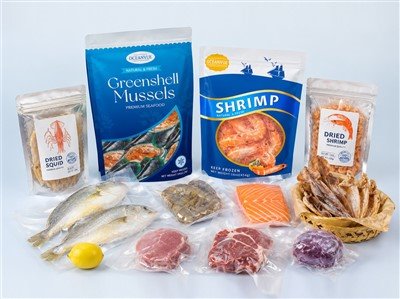
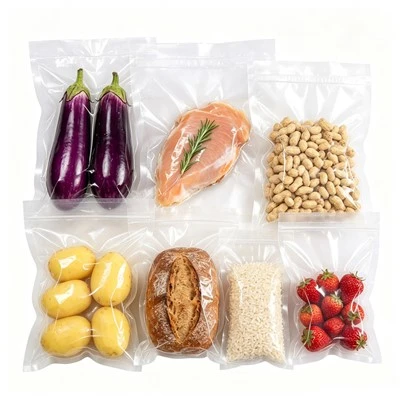
Vacuum pack freezer bags are professional vacuum packaging solutions designed to enhance durability and protection in low-temperature frozen environments. They are specifically developed for long-term frozen storage, effectively addressing industry challenges such as freezer burn, moisture loss, oxidation, and odor transfer.
These freezer-specific vacuum bags are made from low-temperature reinforced composite films, capable of withstanding temperatures from -20℃ to -40℃. They remain flexible, resilient, and securely sealed during extended storage, without becoming brittle, cracking, or delaminating. The thickened film structure and reinforced puncture-resistant layer effectively protect sharp items such as bone-in meats and shell-on seafood, preventing punctures and air leakage during freezing.
High-barrier formulations significantly reduce oxygen and moisture transmission, fundamentally preventing freezer burn and preserving the original color, moisture, and texture of food even after months in the freezer. Freezer bags are available in transparent or matte finishes, allowing clear product visibility, making them suitable for supermarket freezer displays and e-commerce delivery.

CUSTOMIZATION OPTIONS
All materials comply with food contact safety standards and are safe for direct contact with fresh, cooked, or ready-to-cook frozen foods. We provide custom structural designs tailored to your specific freezing duration, product type, and filling equipment, ensuring that the vacuum pack freezer bags remain reliable and stable under prolonged low-temperature conditions.

WHY CHOOSE US?

We are always at your service when you need
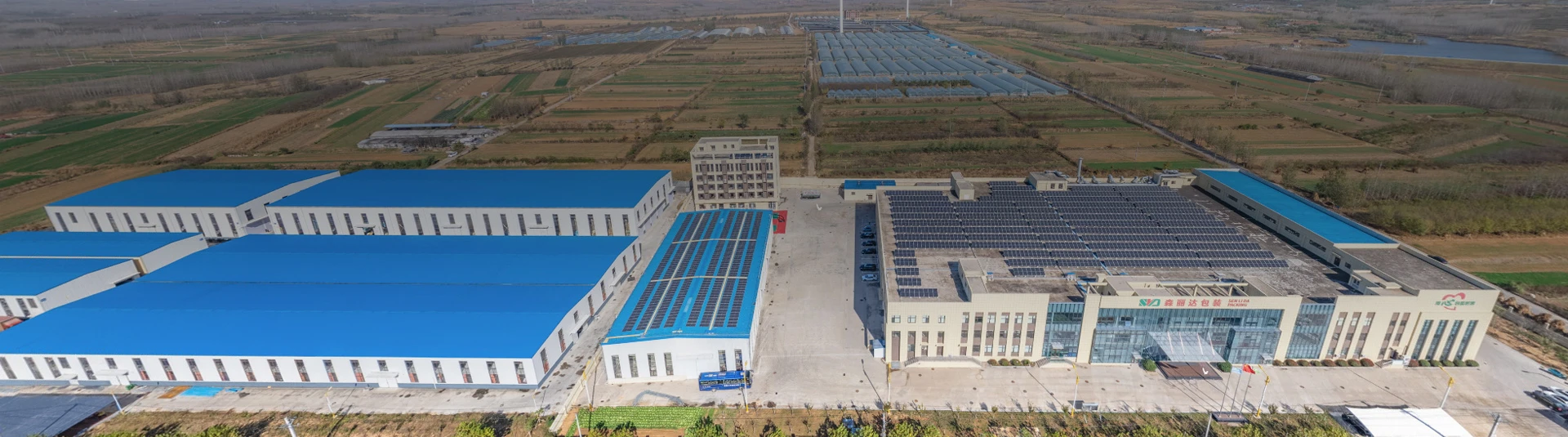
With years of experience in the flexible packaging industry, we have established a fully controlled, modern production system. We have invested in a complete set of internationally advanced intelligent packaging equipment, enabling a fully integrated production workflow from printing, lamination, inspection, slitting, to bag making.This comprehensive approach ensures precise, high-quality, and efficient delivery of customized packaging. Our one-stop solutions provide global clients with reliable, scalable, and consistently high-quality flexible packaging for frozen products.
Years of Experience
Production Area
Daily Output
Annual Output Value
FREQUENTLY ASKED QUESTIONS
1.What is the best material structure for frozen vacuum packaging? Why can't a single material be used?
+
-
A single-layer plastic film, such as PE alone, cannot effectively provide all the properties required for frozen vacuum packaging, including high barrier performance, puncture resistance, toughness, and reliable heat sealing.
For most frozen vacuum applications, the most suitable structures are typically PA/PE (Nylon/Polyethylene) or PET/PA/PE, depending on the product requirements.
The PA (Nylon) layer provides excellent puncture resistance, tensile strength, and toughness, helping prevent sharp bones or hard food products from puncturing the package during handling and freezing. It also provides good oxygen barrier properties.
The PE layer serves primarily as the heat-sealing layer, providing reliable seal strength and good moisture resistance, including under frozen storage conditions.
For applications requiring higher oxygen barrier performance and extended shelf life, EVOH or other high-barrier structures may also be considered.
2.How can slow leakage and loss of vacuum after freezing be prevented?
+
-
A common problem with frozen vacuum packaging is that the package appears properly vacuum-sealed at the time of packing, but air gradually enters the package after one or two weeks of frozen storage.
This type of slow leakage is usually caused by two main factors:
① Contamination in the seal area
Blood, meat juices, grease, or other residues can remain around the sealing area. If these contaminants become trapped in the seal, they may create microscopic channels through which air can gradually enter.
② Insufficient barrier or sealing performance
Films with inadequate oxygen barrier properties may allow oxygen to permeate through the packaging over time. In addition, an unsuitable material structure or insufficient seal strength can increase the risk of vacuum loss.
To improve long-term vacuum retention, we can select high-barrier structures such as PA- or EVOH-based films, together with an appropriate sealing layer and film thickness.
For best results, the product should also be filled carefully to keep moisture, blood, oil, and food residue away from the sealing area before heat sealing.
3.Can frozen vacuum bags be placed directly in a microwave or used for boiling or sous-vide cooking?
+
-
This depends entirely on the material structure, sealant layer, and temperature resistance of the packaging.
Standard PE-based structures are generally designed for refrigerated or frozen storage and are not automatically suitable for high-temperature cooking. A packaging film should never be used for microwave heating, boiling, or sous-vide cooking unless its temperature resistance and food-contact compliance have been specifically verified for the intended application.
For applications such as sous-vide cooking, boiling, microwave defrosting, or microwave heating, a heat-resistant structure must be selected according to the required temperature and cooking conditions.
For example, retort-grade structures using RCPP (retort cast polypropylene) or heat-resistant PA can be designed for applications involving temperatures of 100°C or higher, and up to approximately 121°C for retort processing, depending on the specific structure and processing conditions.
The final packaging must be validated for seal integrity, dimensional stability, overall package performance, and applicable food-contact requirements, such as FDA or EU regulations, according to the target market and application.
4.What recyclable and sustainable alternatives are available for frozen vacuum packaging?
+
-
As sustainability requirements and extended producer responsibility (EPR) regulations continue to evolve, traditional multi-material structures such as PA/PE laminates can present challenges for recycling because they combine different polymer materials.
For customers seeking a more recyclable solution, we offer All-PE mono-material recyclable vacuum packaging films.
By using advanced PE-based material formulations, including high-performance polyethylene and metallocene PE (mPE), mono-material structures can be engineered to provide a balance of puncture resistance, seal performance, flexibility, and barrier properties while maintaining a PE-based structure.
Depending on the required shelf life, product characteristics, and recycling requirements in the target market, All-PE structures can provide a more recycling-friendly alternative to conventional multi-material packaging.
The actual recyclability and applicable claims should be evaluated according to the final package structure, local recycling infrastructure, and regulations in the target market.
5.What is the MOQ and production lead time for custom frozen vacuum bags?
+
-
For custom-printed frozen vacuum bags, the typical MOQ is approximately 10,000–30,000 pieces per design and size, depending on the bag dimensions, material structure, printing requirements, and order specifications.
For printed packaging, gravure printing may require the production of printing cylinders, while other printing processes may involve different tooling or setup requirements.
The typical production lead time is around 25–30 days after artwork approval and order confirmation. Shipping time is additional and depends on the destination, shipping method, and logistics conditions.
For specific projects, we can recommend the most suitable material structure, thickness, printing method, MOQ, and production schedule based on the product and application requirements.
Hot Tags: vacuum pack freezer bags, China vacuum pack freezer bags manufacturers, suppliers, factory, Chamber Vacuum Sealer Bags, Vacuum Bags for Food Packaging, Vacuum Pack Bags, Vacuum Pack Freezer Bags, Vacuum Pouches