A leaking pouch can lead to product loss, customer complaints, recalls, and avoidable freight costs. Yet seal failure is rarely solved by increasing sealing temperature alone. The root cause may be an unsuitable sealant, inconsistent machine settings, product contamination, uneven pressure, film distortion, or damage introduced after packaging. A structured investigation helps converters and brand owners identify the failure mechanism before changing materials or production parameters.
First identify where the package fails
Inspect failed samples and determine whether the defect is in the seal, the film body, a corner, a gusset, a zipper interface, or a fitment area. A clean opening along the seal may indicate inadequate bonding or a weak seal design. Channels, wrinkles, or narrow unbonded paths can allow leakage even when most of the seal looks sound. Pinholes or tears away from the seal suggest a different problem, such as puncture, flex cracking, or handling damage.
Record when the leak was detected: immediately after filling, after cooling, during case packing, following transport, or after storage. Timing provides clues. A package that passes initial inspection but leaks after distribution may need stronger mechanical protection or better control of corners and seal edges.
Review the heat-sealing process
Heat sealing depends on the combination of temperature, dwell time, pressure, sealant properties, and cooling. These factors interact. Too little heat or dwell time may produce incomplete bonding; excessive heat can distort the film, cause shrinkage, or damage the sealant. Uneven pressure, worn sealing jaws, residue, or inconsistent jaw alignment can create local weak spots.
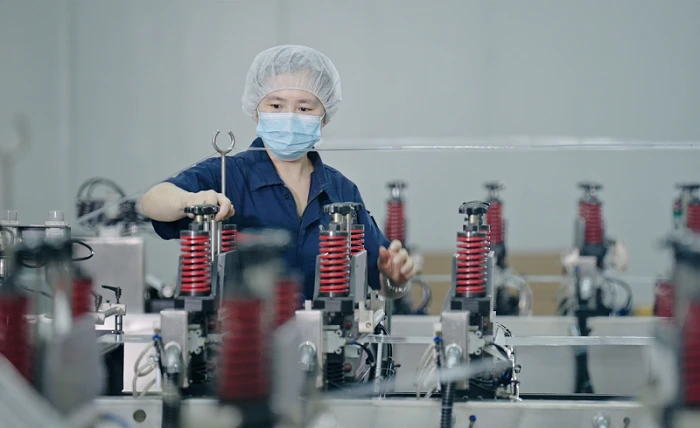
Do not adjust all settings simultaneously. Confirm the actual jaw temperature, pressure distribution, dwell time, and line speed, then run controlled trials. Record the results so that improvements can be repeated across shifts and production batches. A film change may also shift the workable sealing window, so the machine settings should be requalified when the structure changes.
Check contamination and package design
Powders, oils, sauces, crumbs, and moisture in the seal area can prevent reliable contact between sealant surfaces. Review filling accuracy, product splash, nozzle positioning, and the width of the seal zone. If contamination is unavoidable, the package may need a sealant designed for the application, a wider seal, or process changes that keep product away from the sealing jaws.
Corners, gussets, zipper ends, and spouts deserve special attention because material layers overlap and local thickness changes. These areas may need dedicated sealing profiles and inspection methods. A zipper closure is not a substitute for a reliable primary heat seal.
Use appropriate tests
Seal-strength testing can compare samples under a defined method, but strength alone does not prove that a seal is leak-free. Visual inspection, burst or creep testing, dye penetration, vacuum decay, bubble emission, or other methods may be appropriate depending on package design and risk. Select a validated method suitable for the package and product; not every test is suitable for every pouch.
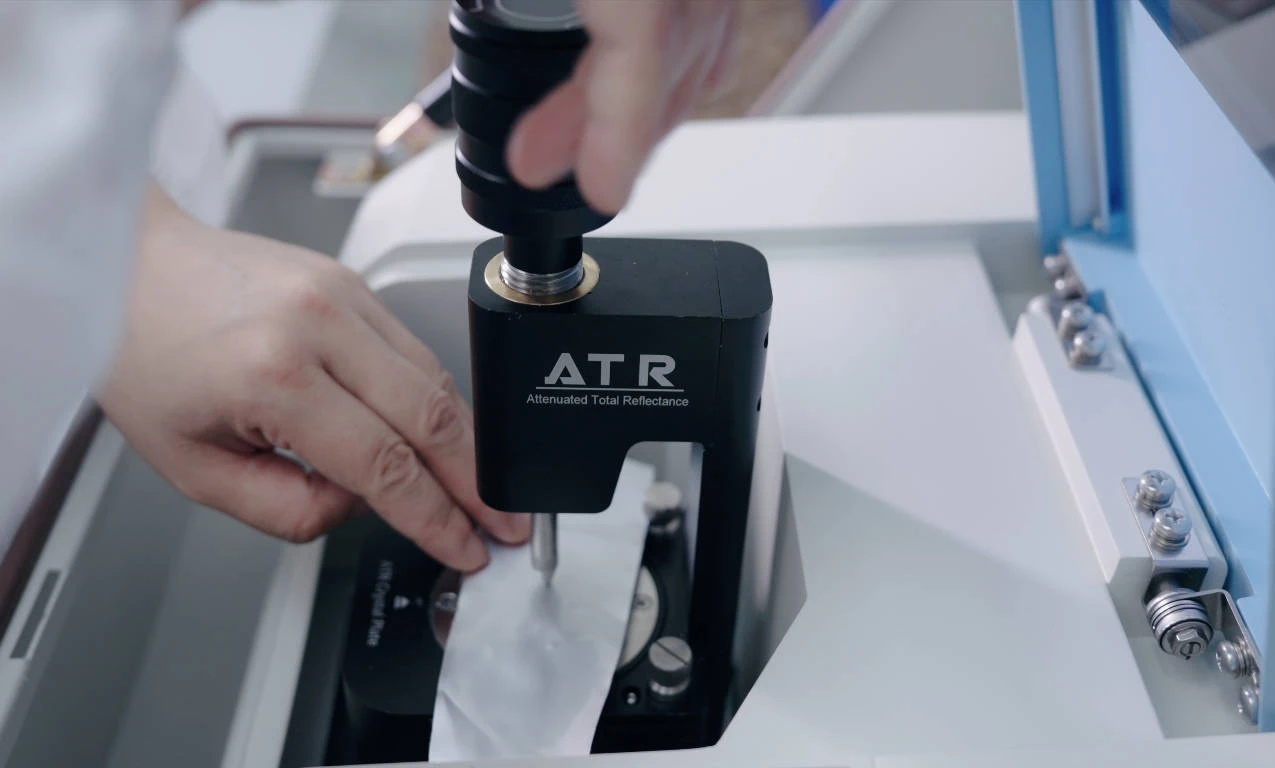
Create a sampling plan covering start-up, routine production, changeovers, and the end of a run. Define acceptance criteria before testing rather than deciding after results are seen. Retain samples when investigations require comparison across batches.
Prevent recurrence
Document the defect location, machine settings, film batch, filling conditions, and test results. Use the evidence to distinguish material variation from process variation. If the problem continues, involve the film supplier and packaging-machine team with actual failed samples and process records.
Reliable seals come from a compatible material structure, a controlled sealing process, and verification of the finished package. A disciplined root-cause method is usually more effective than repeatedly increasing temperature or replacing film without evidence.